




Forex Currency Trading Online: A Comprehensive Guide
Forex currency trading online has gained immense popularity over the years. Whether you’re a seasoned trader or a beginner looking to dip your toes into the world of currency exchange, understanding the ins and outs of the forex market is crucial for success. In this article, we will explore the basics of forex trading, the strategies you can employ, and how forex currency trading online Best Trading Apps can enhance your trading experience.
What is Forex Trading?
Forex, or foreign exchange, refers to the global marketplace for trading national currencies against one another. It is the largest and most liquid financial market in the world, with daily trading volumes exceeding $6 trillion. Traders involved in forex trading speculate on the price movements of currency pairs, aiming to profit from fluctuations in exchange rates.
The Basics of Forex Trading
To get started in forex trading, you need to familiarize yourself with some fundamental concepts:
- Currency Pairs: Trading in forex always involves pairs of currencies, such as EUR/USD or USD/JPY. The first currency is the base currency, while the second one is the quote currency.
- Pips: A pip is the smallest price move that a given exchange rate can make based on market convention. For most currency pairs, a pip is 0.0001.
- Leverage: Leverage allows traders to control larger positions with a smaller amount of capital. For example, a leverage ratio of 100:1 means that for every $1 of your own money, you can control $100 in the market.
- Spread: The spread is the difference between the bid price and the ask price of a currency pair. It represents the transaction cost of trading.
Understanding Market Analysis
Successful forex trading requires analysis of the market to make informed decisions. There are two primary types of market analysis:
1. Fundamental Analysis
Fundamental analysis involves evaluating economic indicators, interest rates, and market sentiment to make trading decisions. Key economic indicators include gross domestic product (GDP), employment rates, and inflation. Traders often follow news releases and economic calendars to stay updated on events that might affect currency values.
2. Technical Analysis
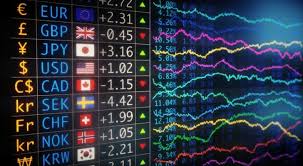
Technical analysis, on the other hand, focuses on historical price movements and chart patterns. Traders use various tools such as moving averages, trend lines, and support/resistance levels to forecast future price movements. Charting software can assist in identifying patterns and trends that can help inform trading strategies.
Trading Strategies
Creating a solid trading strategy is essential for success in forex trading. Here are some common strategies:
- Day Trading: Day traders open and close positions within a single trading day, focusing on short-term price movements. This strategy requires quick decision-making and a good understanding of market trends.
- Swing Trading: Swing traders hold positions for several days or weeks to capitalize on expected price movements. This strategy involves a more extended analysis period compared to day trading.
- Scalping: Scalpers aim to make small profits from very short-term trades. This strategy requires intense focus and a high frequency of trades.
- Position Trading: Position traders take a long-term approach, holding positions for months or even years. This strategy often relies on fundamental analysis to determine potential currency movements.
The Role of Trading Apps in Forex Trading
As technology advances, the way traders participate in the forex market has evolved. Trading apps have become essential tools for modern traders, offering convenience and functionality right at their fingertips. Here are a few benefits of using trading apps:
- Mobility: Trading apps allow you to trade from anywhere at any time, provided you have internet access. This flexibility can be a game-changer for both beginner and experienced traders.
- User-Friendly Interfaces: Many trading apps are designed with user-friendly interfaces, making it easy for traders to execute trades and manage their accounts.
- Real-Time Data: Trading apps provide real-time market data and price alerts, enabling traders to make timely decisions and responses to market changes.
- Analytical Tools: Many forex trading apps come equipped with advanced analytical tools that help traders analyze market trends and refine their trading strategies.
Choosing a Reliable Forex Broker
To start your forex trading journey, you need to choose a reliable forex broker. Consider the following factors when selecting a broker:
- Regulation: Ensure the broker is regulated by a reputable financial authority to protect your funds and ensure fair trading practices.
- Trading Platforms: Look for brokers that offer user-friendly trading platforms with advanced tools and resources. A good platform enhances your trading experience.
- Customer Support: Choose a broker with reliable customer support to help you with any issues or questions that may arise.
- Fees and Spreads: Be mindful of the trading fees and spreads charged by the broker, as they can affect your overall profitability.
Conclusion
Forex currency trading online can be a rewarding endeavor when approached with knowledge and strategy. By understanding the basics, utilizing effective trading strategies, and taking advantage of modern technology such as trading apps, you can navigate the forex market with greater confidence. Remember that successful trading requires continuous learning and adaptation to market changes, so always stay informed.
