




The Ultimate Guide to Forex Day Trading
Forex day trading is one of the most popular forms of trading in financial markets. It involves buying and selling currency pairs within a single trading day, with the aim of capitalizing on small price movements. This type of trading demands a solid understanding of the forex market, as well as a well-defined strategy and risk management approach. For those new to this area, it may seem daunting, but with the right guidance, anyone can become a successful day trader. For more insights and resources, visit forex day trading ZAR Trading.
Understanding Forex and Day Trading
The foreign exchange market, or forex, is the largest and most liquid financial market in the world. Unlike stock markets, which are confined to specific hours, the forex market operates 24 hours a day, five days a week. This continuous trading allows for substantial opportunities, particularly for day traders who seek to take advantage of short-term fluctuations in currency prices.
Day trading itself refers to the practice of entering and exiting positions within the same trading day. Day traders typically avoid holding positions overnight, thus minimizing the risk of adverse movements while the market is closed. Successful day trading requires speed, focus, and a robust strategy to quickly assess market conditions.
Key Characteristics of Forex Day Trading
Forex day trading has several key characteristics that set it apart from other trading styles:
- High Liquidity: The forex market has an average daily trading volume exceeding $6 trillion, providing ample liquidity for traders to enter and exit positions with minimal slippage.
- Volatile Movements: Currency pairs can experience significant price movements in short periods due to economic news, geopolitical events, and market sentiments.
- Leverage: Forex trading often allows for high leverage, meaning traders can control larger positions than their initial capital would normally permit. However, this also entails higher risk.
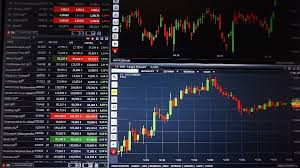
- Technical Analysis Focus: Day traders primarily rely on technical analysis, using charts and indicators to make quick trading decisions rather than fundamental analysis of economic data.
Choosing the Right Strategy for Day Trading
There are several strategies that forex day traders use, and choosing the right one often depends on individual trading styles and risk tolerance. Here are a few common strategies:
1. Scalping
Scalping involves making numerous trades during the day to capture small price movements. Traders typically aim for profits of just a few pips per trade and make frequent entries and exits. This strategy requires a high level of discipline and quick decision-making, as well as tight spreads and low commissions.
2. Momentum Trading
Momentum traders look for currency pairs that are trending strongly in one direction. They aim to enter trades when momentum is increasing, typically using various indicators to confirm their assumptions. This strategy often involves fewer trades but can yield larger profits as the trader rides the trend.
3. Range Trading
In range trading, traders identify specific price levels where a currency pair tends to bounce between support and resistance. They buy at support and sell at resistance, profiting from the predictable price movements within a defined range.
4. News Trading
Traders who employ news trading strategies focus on economic news releases and events that can cause significant volatility. By anticipating how the market will react to news, traders position themselves to capitalize on the resulting price swings.
Risk Management in Forex Day Trading

Risk management is crucial in forex day trading, as it helps protect capital and minimize losses. Here are some essential risk management techniques:
- Use Stop-Loss Orders: One of the best practices in day trading is to always set stop-loss orders to automatically exit a losing trade at a predetermined price. This minimizes potential losses and helps maintain emotional control.
- Position Sizing: Determine the appropriate size of each trade based on your risk tolerance and overall trading capital. A common rule is to risk only 1-2% of your total capital on any single trade.
- Diversification: Avoid placing all your capital into a single trade or currency pair. Diversifying your trades can help mitigate risk.
- Keep a Trading Journal: Maintain records of all trades, detailing entry and exit points, reasons for the trade, and outcomes. This practice can help identify strengths and weaknesses in your trading strategy.
Choosing a Forex Broker
Finding the right forex broker is essential for successful day trading. For effective trading, consider the following factors:
- Trading Platform: Choose a broker that offers a reliable and user-friendly trading platform with essential features, such as charting tools and real-time data.
- Spread and Fees: Look for brokers that offer competitive spreads and low commissions, as these costs can significantly impact profitability, especially for day traders.
- Regulation: Ensure your broker is regulated by a reputable financial authority, which adds a layer of security and trustworthiness.
- Customer Support: Choose a broker that provides responsive customer support to assist with any queries or technical issues while trading.
Conclusion
Forex day trading can be a lucrative endeavor for those who approach it with the right mindset, education, and strategies. It requires dedication, discipline, and a willingness to learn from both successes and failures. Whether you are a beginner or an experienced trader, continuously improving your skills and adapting to the ever-changing market conditions is crucial. As you embark on your forex day trading journey, remember to prioritize risk management and choose the right broker, such as ZAR Trading, to enhance your trading experience.
By harnessing the high liquidity, volatility, and availability of the forex market, day trading can unlock countless opportunities for individuals seeking to generate profits in a fast-paced environment. So, equip yourself with knowledge, remain patient, and follow your trading plan to navigate the exciting world of forex day trading successfully.
